
 USD
USD
 Euro
Euro
 GBP
GBP
 AUD
AUD


RUNCAM OWL PLUS

700TVL 5-22V 0.0001 Lux 150Deg. Wide Angle
Mini FPV Camera for Drone Quad-copter
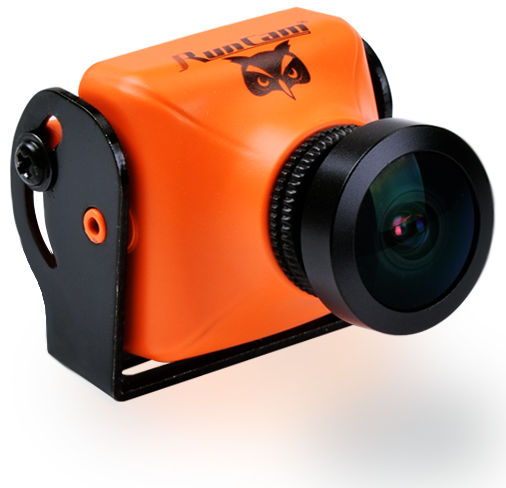
True 0.0001Lux Starlight Camera
Truly impressive
Large Aperture
Wide Angle
Filter
in daylight
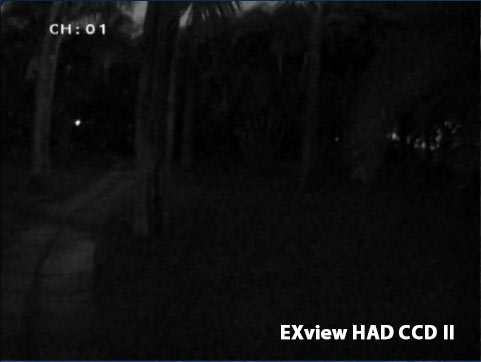
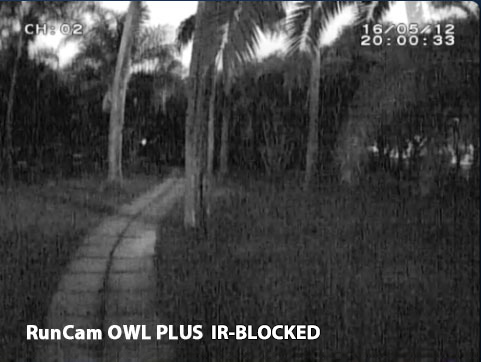
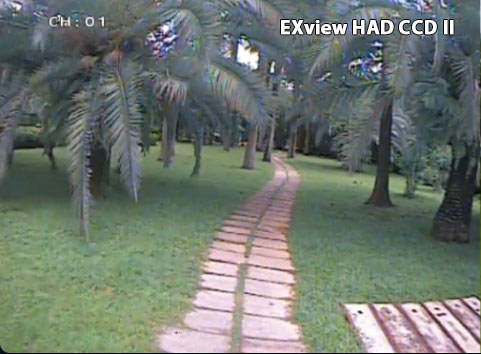
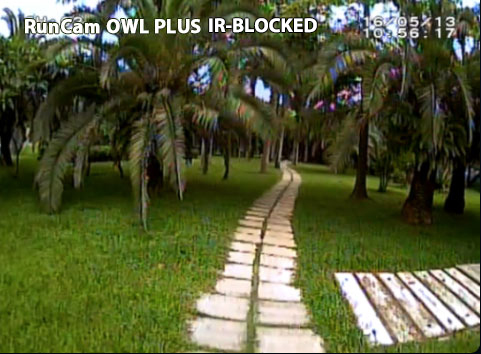
Small changes, big difference
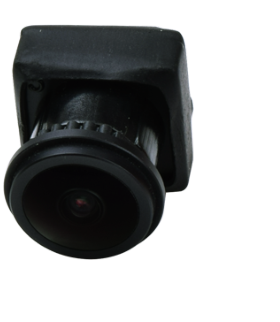
OWL
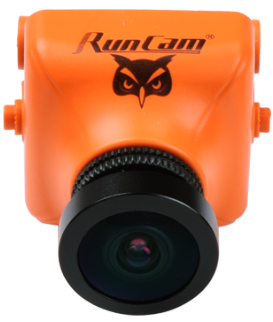
OWL PLUS
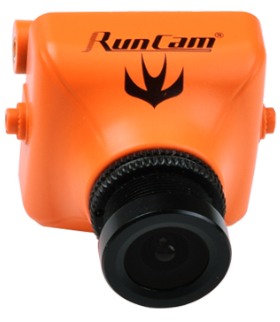
SWIFT
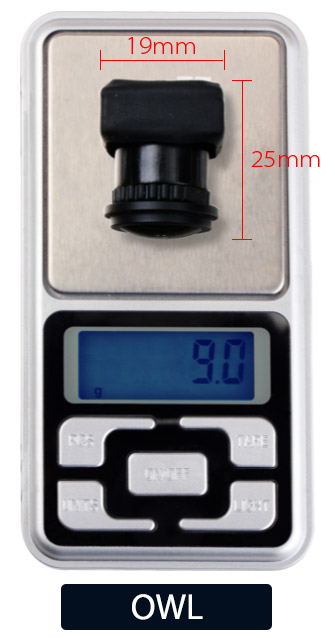
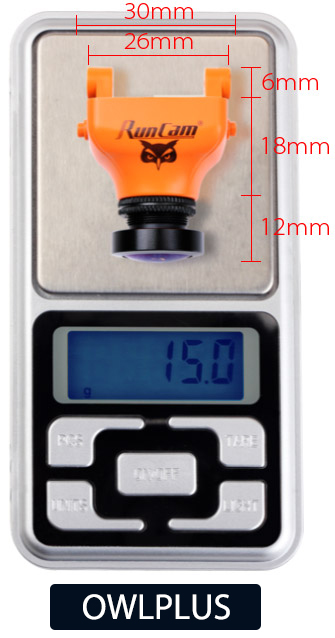
| Model | OWL | OWL Plus |
| Lens | IR - sensitive | IR - blocked |
| Power | External 5 - 24VDC | Built-in 5 - 22VDC |
| OSD menu | No | Yes |
| Mounts | No | Two |
| Dimensions | 19 * 19 * 25mm | 26 * 26 * 30mm |
| Net Weight | 9g | 15g |
Image quality comparison
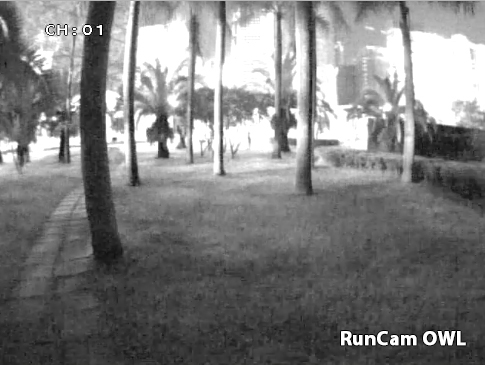
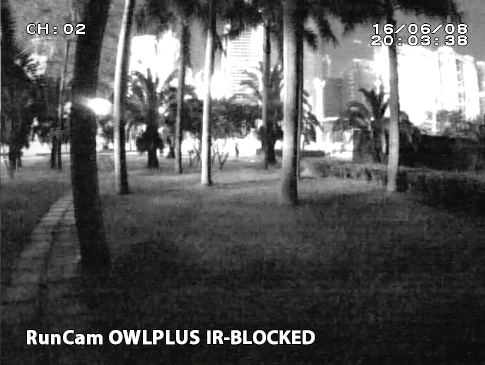
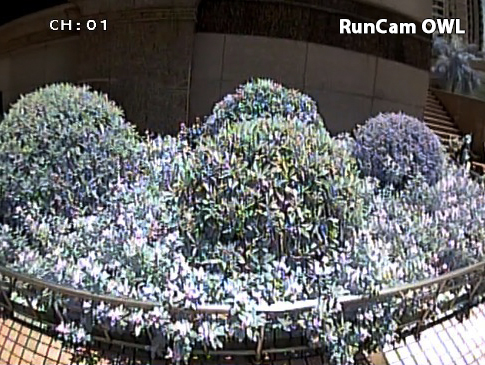
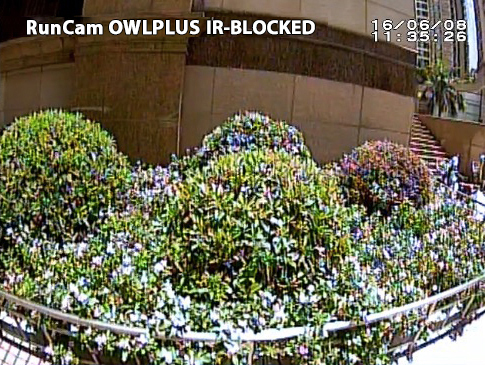
Can be mounted in various ways

Hanging

Base

Side plate
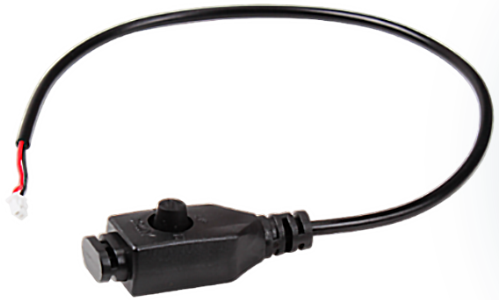
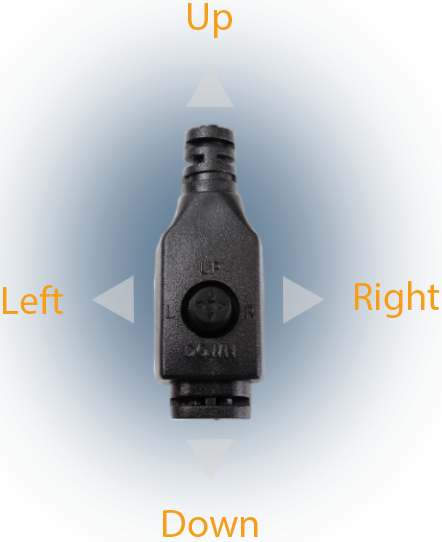
5D-OSD menu cable
functions: D-WDR, BLC, Camera ID, etc.
Standard size 26mm*26mm
suitable for the majority of mini quad frames
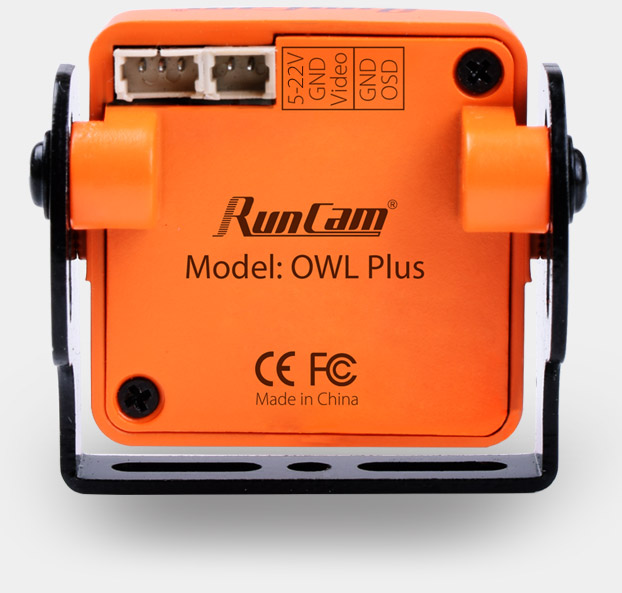
Contents in the box
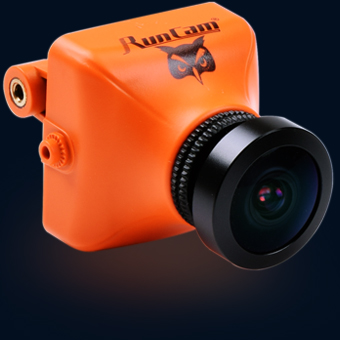
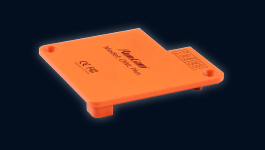
Standard back cover
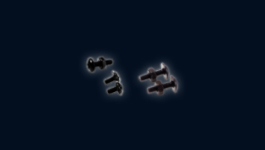
Set of screws
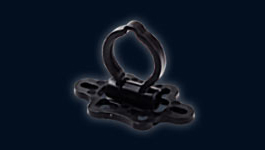
Hanging bracket
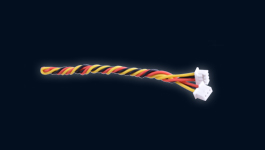
FPV Silicone wire
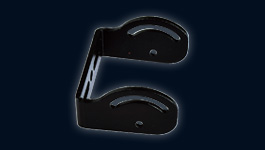
Base bracket
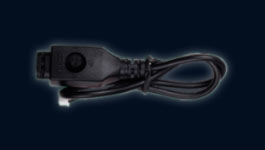
5D-OSD menu cable
Parameters
| Model | RunCam OWL Plus |
| Image Sensor | 1/2" Sensor |
| Horizontal Resolution | 700TVL |
| Lens FOV | 150° |
| Signal System | PAL/NTSC |
| Synchronization | Internal |
| OSD SET | YES |
| S/N Ratio | >52dB |
| Electronic Shutter Speed | PAL: 1/50~100,000; NTSC: 1/60~100,000 |
| Auto Gain Control(AGC) | YES |
| Back Light Compensation (BLC) | YES |
| Min. Illumination | 0.0001Lux/1.2F |
| WDR | D-WDR |
| DNR | 2DNR |
| Day/ Night | Auto/Color/B&W |
| Power | 5-22 VDC |
| Net Weight | 15g |
| Dimensions | 26mm * 26mm * 30mm |
download

Reviews
17 Reviews Hide Reviews Show Reviews
-
5 LA CAMARA DE LOS PROFESIONALES
Posted by Rubén on 25th Oct 2016
UNA GRAN CÁMARA RECOMENDADA POR LOS MEJORES PILOTOS Y LA MEJOR DEL MERCADO EN SITUACIONES DE BAJA LUMINOSIDAD
-
5 Small camera with huge potential
Posted by triastro2000 on 20th Sep 2016
I purchased this camera to test it for use as a sensitive occultation astronomy video camera system. How did it work? The RunCam OWL Plus is nearly as sensitive as the WAT910HX -- a standard for high sensitivity and linear response. The response is not linear, but it is close enough to a standard 0.45 gamma response that the camera can be used for accurate photometric measurements. The AGC does not seem to work as a normal 'automatic' gain control. Instead, AGC has 4 possible global 'gain' settings within which the camera then has a degree of automatic gain control. For maximum sensitivity, AGC-High should be used. All other settings have less sensitivity. Contrast setting should be left at the factory setting. Trying to increase contrast only serves to increase the brightness of the low-luminance pixels and to compress the brightness of the high-luminance pixels. There is no net improvement in sensitivity by changing the contrast. The sensor chip is a CMOS design, interfaced with an NTSC/EIA video generator chip. The system works well, however, the CMOS design results in a rolling shutter. For the timing of astronomical events, the rolling shutter poses the additional problem of having to correct for the position of the star on the chip when applying times to measured events. The RunCam OWL Plus comes with a very handy OSD controller. This works as well as any OSD controller that I have seen provided with any other NTSD/EIA CCD video camera. The menu is very intuitive and very complete. The large number of features available outnumber the number of features that need to be used in occultation astronomy, however the FPV fraternity will find them all very handy and easy to program. I purchased the camera with the 'orange' case. Being an Oregon State University alum, orange and black seemed like the perfect camera color combination. Unfortunately, it was found that the orange case is very translucent to light and when applied in a nighttime application like occultation astronomy, the camera is sensitive to outside lights such as flash lights, head light glare, street lights, etc. The black case may be a better solution for occultation astronomy. In the meantime, covering the case with opaque rubber tape will have to do. The camera was tested for linearity and found to have very good gamma 0.45 response. The camera was tested for sensitivity to small 0.2 magnitude changes in brightness. The camera was able to detect more than 2.5 magnitudes of brightness change with a very acceptable response, with corresponding response steps varying from 0.2 to 0.3 magnitudes, and very good signal-to-noise ratio even after 2.5 magnitude change in overall brightness. The camera lens supplied is quite nice, but to couple the camera to a telescope an M12-to-CMount adapter must be purchased at a cost of around $10. This allows the camera to be attached to a CMount-1" 1/4 adapter that allows the camera to fit a standard eyepiece mounting socket. The camera does not run too hot when powered at 12V. It will run cooler when powered at lower voltage. The voltage regulator seemed to work well and is supposed to accept a wide range of input DC voltage. The RunCam OWL Plus is a much better camera than the RunCam OWL, particularly at low light. At low light the RunCam OWL limits the dynamic range of brightness to less than 1/2 of the full scale 256 bit available in the NTSC/EIA standard video signal. Presumably, this is part of the anti-bloom circuitry of the camera. Unfortunately, it makes everything appear nearly equal in brightness, once the saturation brightness of the camera is reached. The RunCam OWL Plus uses more dynamic range of the camera -- at least 90 percent -- before the anti-bloom circuitry kicks in. Therefore, it allows a greater range of brightness at night between the brightest and faintest objects. The cost of the RunCam OWL Plus is reasonable. At a high cost, many other cameras would be competitive in price and features. However, at the current price point, the RunCam OWL Plus is the best camera of its type on the market. I intend to recommend this camera to the astronomical community as a very good low-cost entry-level camera for occultation astronomy.
-
4 keeps getting better
Posted by Ray R on 31st Aug 2016
I own the older RunCam Owl also and use it a lot. The newer Owl Plus has come along way with its built in on screen setup that allows for quick and easy setting changes to the camera. It has a better image in daylight as well as low light than the previous model as well. I am very happy with the mounting options that come with the Owl Plus and it's built in voltage regulator. It really helps clean up the model and make it more than just a nighttime camera. I am disappointed that RunCam has changed to mount for their Eagle camera making difficult to swap out. All said and done the Owl Plus is a very good camera and worth the price .
-
5 Excellent
Posted by Alpha Quad (Aaron Bruggemann) on 27th Aug 2016
This camera is amazing. I use it in a 5" Quadcopter. So let's do this logically with a list of pros and cons. Pros: Can be used in HS1177 frames. The wide lense means I can see the ground when horizontal and tilt 90 degrees forward and still see the horizon. It's amazing in low light. It's just as amazing in daylight. The dedicated OSD port is great feature. No latency. Love the bright orange colour of the camera. Lovely picture. Cons Can't think of any. I'm still playing settings, but this video shows how well this performs in daylight. (https://youtu.be/_v0gz7nzRrU) If your on the fence about buying this camera just get it and you won't regret it.
-
5 Amazing for a night ride.
Posted by José Manuel on 21st Jul 2016
Such an amazing camera. You can use it at day time and night time. Amazing resuolution at low light conditions. The bad point is that the osd could have more options.
-
5 Finaly: true FPV dedicated Camera !
Posted by ggtronic on 10th Jul 2016
Thanks RunCam for your dedicated FPV component...we now leave the unapropriate survailance camera stuff to move to REAL performance FPV !
-
5 Amazing
Posted by Zory Talavera on 23rd Jun 2016
Its awesome the vision is best than I imagine great purshase
-
5 Amazing little camera
Posted by Desode on 21st Jun 2016
The Runcam owl plus delivers on taking the original owl and making it better and lets be honest, the original owl is a great camera . In my testing, the Owl plus's speed of transitioning from color to black and white is instantaneous. When it comes to a day and night camera that is used on a racing multi-rotor, this is one of the most important things. The osd is also wonderful addition to the owl and it is simple yet gets the job done. Please feel free to see the review on my youtube channel as I show all the features and the osd layout and more. https://youtu.be/21T9K9cmJpg